

In Your Corner #1
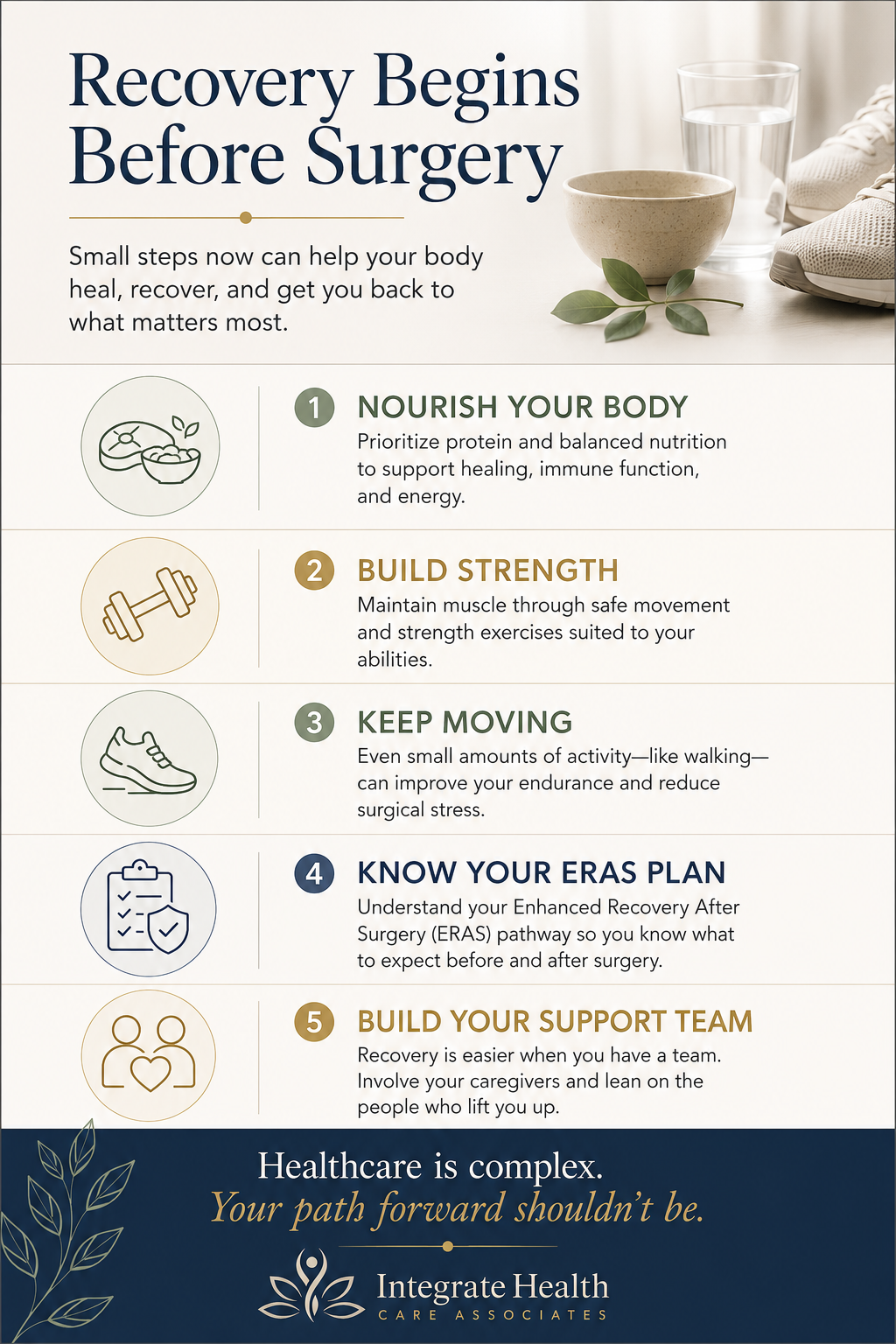
Surgery Doesn't Start in the Operating Room
One of the things I find myself saying to patients is this:
The work of surgery doesn't begin on the day of your operation. It begins weeks before.
When you're told you need a major surgery, it's natural to focus on the procedure itself. But one of the most important parts of the journey often happens long before you ever enter the operating room.
It's how you prepare.
As a Surgical Oncology Nurse Coordinator at Fred Hutch Cancer Center, I've had the privilege of caring for patients undergoing some of the most complex abdominal cancer surgeries, including Cytoreductive Surgery (CRS) with and without Hyperthermic Intraperitoneal Chemotherapy (HIPEC).
One lesson has stayed with me throughout the years:
Recovery begins before surgery.
We call it prehabilitation, or prehab—the intentional process of preparing your body and mind for the demands of surgery and recovery.
Prehab isn't about perfection. It's about giving your body the strongest possible foundation for healing.
For many patients, that may include:
• Optimizing nutrition and protein intake
• Preserving muscle mass and strength
• Staying active within your abilities
• Understanding what to expect before and after surgery
• Building a support system for the weeks ahead
One area that deserves far more attention is nutrition.
Cancer, chemotherapy, pain, anxiety, and changes in appetite can make it incredibly difficult to eat well before surgery. Yet nutrition plays a critical role in wound healing, immune function, maintaining muscle, and supporting recovery.
Sometimes it's not about eating more—it's about eating smarter.
Small, individualized changes made before surgery can help support your body's ability to heal afterward.
I also encourage every patient to ask questions early:
• Am I meeting my nutrition and protein goals?
• Should I meet with an oncology dietitian?
• What does my surgeon's Enhanced Recovery After Surgery (ERAS) pathway include?
• Are there safe ways I can maintain or improve my strength before surgery?
• What can I start doing today that may support my recovery?
These conversations matter.
One of the greatest privileges of my career has been walking alongside patients and families during one of the most difficult chapters of their lives. I've witnessed incredible courage, resilience, and hope. If I can help someone feel a little more informed, a little more prepared, and a little less overwhelmed, then that is time well spent.
Because preparing for surgery isn't just about the operation.
It's about preparing for the life you're working so hard to get back to.
Healthcare is complex. Your path forward shouldn't be.
I'm in your corner.
If you or someone you love is preparing for major surgery, I'd love to hear what questions you have. Future posts will explore prehabilitation, nutrition, Enhanced Recovery After Surgery (ERAS), caregiver preparation, and practical ways to support recovery before surgery even begins.
